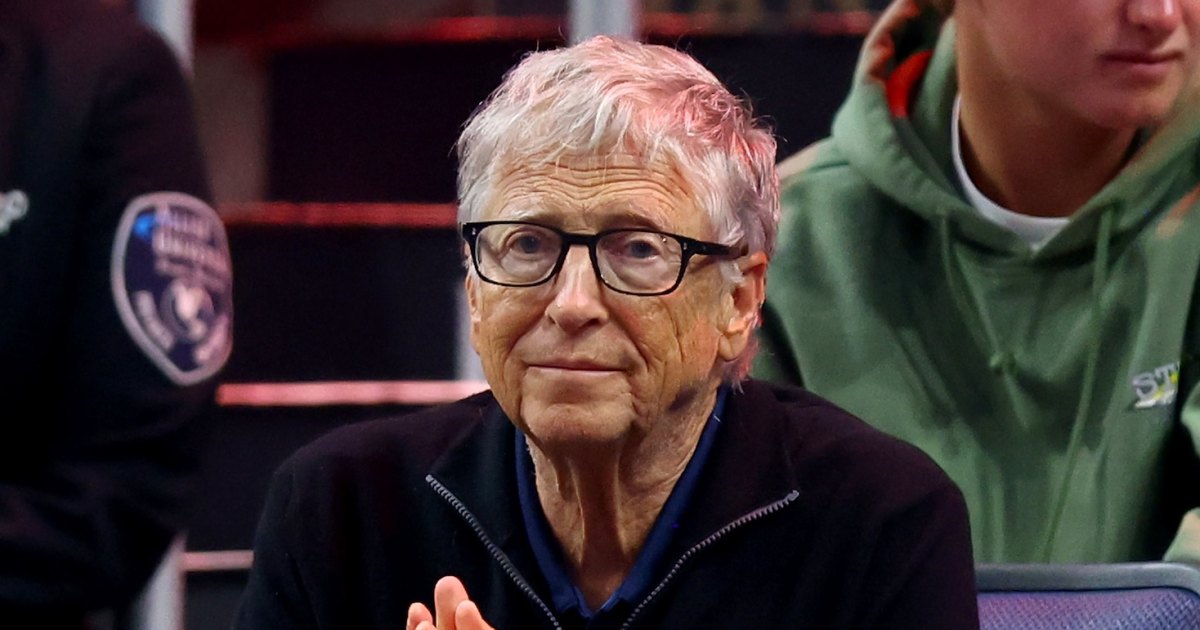
Bill Gates Faces House Oversight as Epstein Investigation Intensifies
The House Oversight Committee is poised to conduct a crucial transcribed interview with Microsoft co-founder Bill Gates on June 10. This high-profile session marks a significant turn in the ongoing investigation into the complex network and alleged activities of convicted sex offender Jeffrey Epstein. As the probe delves deeper into Epstein's associations, the committee aims to glean critical information from individuals connected to his extensive social and financial circles, with particular attention to claims that could shed light on potential attempts at coercion or entrapment.
Chairman James Comer (R-Ky) initiated the request for Gates' testimony in a letter dated March 3. The committee's interest stems from a combination of public reporting, documents released by the Department of Justice, and additional materials obtained directly by the committee, all of which suggest Gates may possess information pertinent to their inquiry. The focus of the Bill Gates Faces House Oversight on Epstein Investigation extends beyond simple associations, exploring the underlying dynamics and potential vulnerabilities Epstein sought to exploit among powerful individuals.
Unpacking the 'Russian Girls' Claims and Allegations of Entrapment
At the core of the committee's inquiry are deeply concerning, unverified claims documented in July 2013 emails attributed to Jeffrey Epstein himself. These messages, sent from Epstein to his own account, contained explosive allegations regarding Bill Gates. Among them were claims that Gates had engaged in extramarital relationships with Russian women and had contracted a sexually transmitted infection. Further, the emails alleged that Gates attempted to administer antibiotics to his then-wife, Melinda French Gates, without her knowledge.
It is crucial to reiterate that these allegations have not been independently verified, and a spokesperson for Bill Gates has vehemently denied them, characterizing them as "absolutely absurd and completely false." However, for House investigators, the existence of such claims within Epstein's own documentation raises serious questions. The committee is actively probing whether these allegations, particularly those concerning extramarital relationships and medical treatments, were part of a calculated and coordinated effort by Epstein to defame, blackmail, or otherwise entrap the billionaire philanthropist.
Understanding Epstein's alleged tactics is vital for the committee's work. His history suggests a pattern of cultivating relationships with influential figures, then allegedly exploiting any perceived weaknesses or indiscretions. This makes the examination of these claims by the house oversight gates testimony all the more critical. Investigators are seeking to determine if Epstein was gathering compromising information to leverage for financial gain, social influence, or other illicit purposes. Gates' representatives have previously asserted that his interactions with Epstein were limited and that he distanced himself from Epstein after recognizing concerns about his conduct, a timeline and rationale the committee will undoubtedly explore.
Melinda French Gates' Stance on Epstein's Financial Ventures
Beyond the personal allegations, the House Oversight Committee is also scrutinizing Epstein's attempts to secure financial backing from Bill Gates for a proposed donor-advised fund. This aspect of the investigation highlights the intersection of Epstein's financial ambitions with his network of influential contacts. Text messages from 2017, which investigators have reviewed, show communications between Epstein and an adviser to Gates regarding this specific philanthropic proposal.
According to these communications, Bill Gates initially expressed some interest in the structural aspects of the fund. However, the plan ultimately did not progress. A key factor in its failure to launch, as suggested by the communications, was the strong opposition from Melinda French Gates. Her disapproval of involvement in the project appears to have been a decisive element. This insight into her role has led to increased scrutiny, as detailed in reports like Melinda Gates' Role in Blocking Epstein Fund Scrutinized. Her intervention, if confirmed, underscores the importance of rigorous due diligence and ethical considerations in philanthropic endeavors, especially when dealing with individuals with questionable reputations.
The committee's examination of this proposed fund aims to understand Epstein's modus operandi in attempting to legitimize himself and expand his financial reach through association with reputable figures and institutions. It also highlights the potential protective role that diligent partners and advisers can play in preventing problematic associations from taking root. For any organization or individual considering high-profile partnerships, this serves as a stark reminder of the necessity for thorough vetting and adherence to strong ethical guidelines, regardless of the perceived benefits of the collaboration.
Broader Implications for Public Figures and Transparency
The upcoming testimony by Bill Gates before the house oversight gates committee carries significant implications, not only for the ongoing Epstein investigation but also for the broader landscape of how public figures manage their associations and reputations. This case underscores the challenges high-profile individuals face in navigating complex social and professional networks, particularly when encountering individuals like Epstein who allegedly leveraged their connections for nefarious purposes. The committee's work, which includes seeking testimony from figures such as former President Bill Clinton, former Secretary of State Hillary Clinton, and businessman Les Wexner, aims to construct a comprehensive timeline of Epstein's associations and influence, revealing the extent of his reach and the vulnerabilities he exploited.
For prominent individuals, the saga serves as a cautionary tale. Maintaining strict vetting processes for personal and professional relationships, coupled with transparency when concerns arise, is paramount. Reputation management is no longer just about public relations; it's about ethical vigilance and a clear understanding of the character of those you associate with. The public's demand for accountability and clarity in such matters continues to grow, emphasizing the need for robust institutional oversight and individual responsibility.
From a philanthropic perspective, this investigation also reinforces the critical need for absolute integrity and transparency in all dealings. Donor-advised funds and other charitable initiatives, while powerful tools for good, must be shielded from any hint of impropriety. Organizations are advised to implement stringent compliance frameworks, conduct thorough background checks on all potential partners and significant donors, and empower internal mechanisms for flagging and addressing ethical concerns promptly. The trust placed in philanthropic entities is immense, and any perceived lapse can have far-reaching negative consequences.
Conclusion
The June 10 transcribed interview with Bill Gates by the House Oversight Committee marks a pivotal moment in the complex and far-reaching Jeffrey Epstein investigation. The committee's deep dive into unverified 'Russian girls' claims and the scrutiny of Gates' limited interactions and financial proposals, particularly in light of Melinda French Gates' alleged opposition to a proposed fund, underscores the multifaceted nature of Epstein's alleged network. As the house oversight gates testimony approaches, the public awaits further clarity on how a convicted sex offender managed to weave himself into the fabric of elite circles and what lessons can be learned about accountability, due diligence, and the protection of reputation in an increasingly transparent world. The ongoing investigation aims to bring to light the full scope of Epstein's activities and ensure that such alleged exploitation can be prevented in the future.